
The psychology behind why we gamble understanding the thrill and risk
The psychology behind why we gamble understanding the thrill and risk
The allure of risk and reward
The fundamental reason many individuals are drawn to gambling lies in the interplay between risk and reward. When participants engage in games of chance, they experience a rush of adrenaline that stems from the uncertainty of the outcome. This thrill is a powerful motivator, enhancing the appeal of placing bets. The excitement associated with potentially winning big often overshadows the possibility of loss, creating a psychological bias known as “loss aversion.” In essence, the emotional highs linked to winning can be intoxicating, leading individuals to gamble repeatedly. Additionally, many players find that the Casoola casino app adds a layer of convenience to their gaming experience.
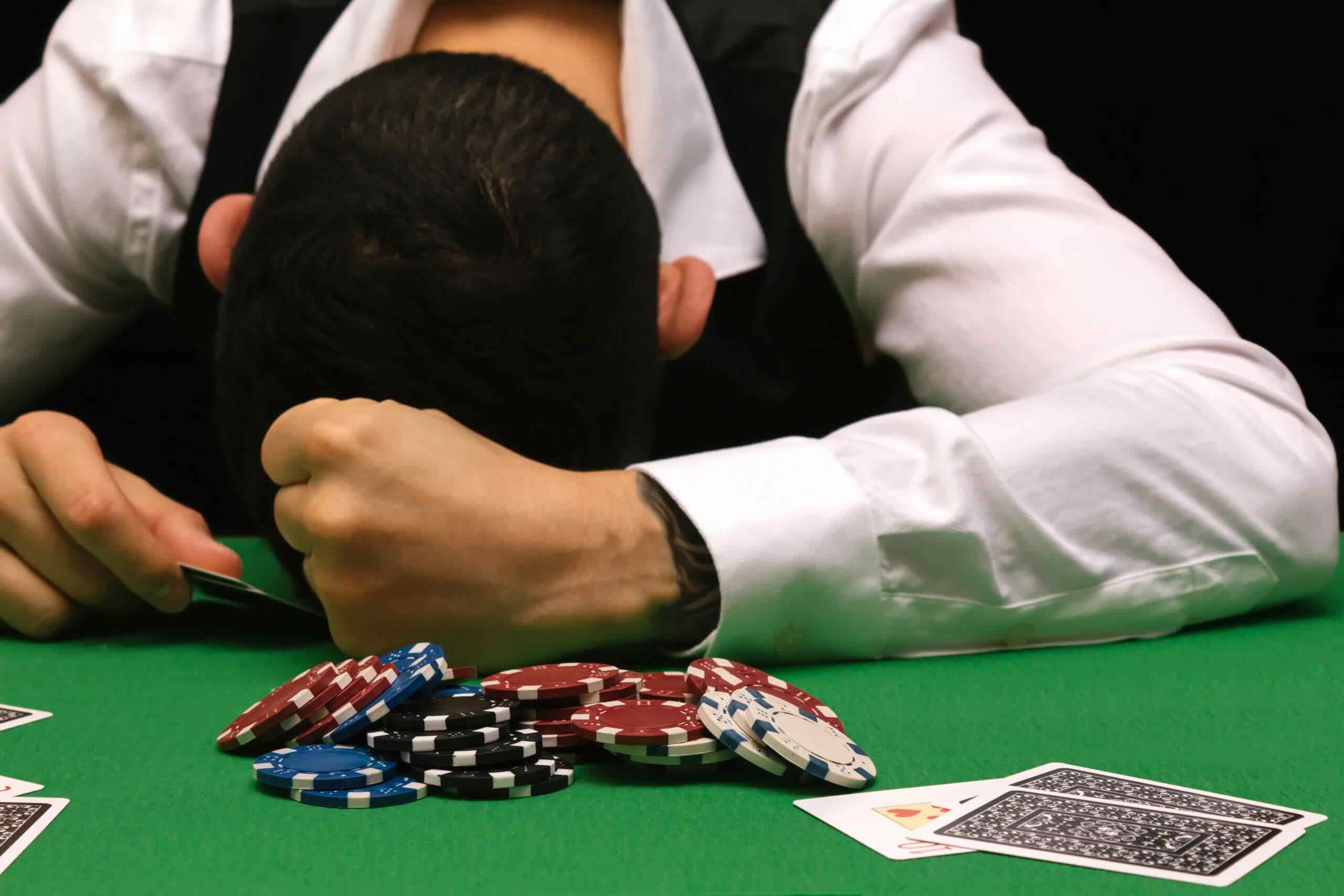
Moreover, the psychology of risk-taking plays a critical role in gambling behavior. Some individuals are naturally more inclined to seek out risky experiences, driven by traits such as sensation-seeking. This tendency is not limited to gambling; it extends to various life choices, reflecting a broader desire for excitement. The casino environment, with its flashing lights and engaging sounds, amplifies this desire, encouraging individuals to take risks they might avoid in other contexts.
The role of cognitive biases
Cognitive biases significantly influence gambling behavior, often leading individuals to make irrational decisions. One common bias is the “gambler’s fallacy,” where individuals believe that past outcomes can affect future events. For example, if a player has lost several games in a row, they may feel that a win is “due,” prompting them to continue gambling despite mounting losses. This flawed reasoning can lead to significant financial strain and unhealthy gambling habits.
Another important cognitive bias is “confirmation bias,” where players tend to focus on successful outcomes while ignoring losses. This selective attention can reinforce the belief that they have a winning strategy, driving them to gamble more. These biases highlight the importance of understanding the mental processes that govern our gambling behavior, which can help individuals make more informed decisions about their gaming habits.
The impact of social and environmental factors
Social influences also play a crucial role in gambling behavior. Peer pressure and the normalization of gambling within certain social circles can create an environment where gambling is viewed as a typical recreational activity. This social acceptance can lead individuals to partake in gambling activities without fully considering the potential risks involved. Furthermore, the availability of gambling venues, especially in areas where gambling is widely promoted, can increase participation rates.
The environment in which gambling takes place is equally significant. Online casinos and sports betting platforms offer an accessible and often anonymous way to gamble, making it easier for individuals to engage without the social constraints found in traditional settings. The convenience of mobile betting allows for impulsive decisions, exacerbating the risk of developing problematic gambling behaviors. Understanding these social and environmental influences can help individuals recognize the factors that contribute to their gambling habits.
The psychological benefits of gambling
Interestingly, some psychological benefits can arise from gambling when approached responsibly. For many, gambling serves as a form of entertainment and a way to escape from everyday stressors. The thrill of gaming can provide a temporary sense of euphoria, which can be a welcome distraction from life’s challenges. Additionally, the social aspects of gambling—whether in person or online—can foster connections and create a sense of community among players.
However, it’s vital to balance these benefits with the risks associated with gambling. Engaging in responsible gambling practices, such as setting limits and understanding when to walk away, can help individuals enjoy the positive aspects of gambling without falling into problematic patterns. Recognizing the difference between recreational play and harmful habits is essential for maintaining a healthy relationship with gambling.

Exploring responsible gambling at Casoola
At Casoola, we prioritize responsible gambling, ensuring a safe and enjoyable environment for all our players. With a wide range of gaming options and user-friendly features, we aim to make your experience both thrilling and responsible. We provide resources and tools to help players manage their gambling, including deposit limits and self-exclusion options, to promote healthy gaming habits.
Our commitment to player safety extends beyond just offering games; we strive to educate our community about the potential risks of gambling and the importance of responsible play. By fostering awareness and providing support, we empower our players to make informed decisions while enjoying the excitement that comes with gaming at Casoola.